Commercial and flat roofing for Mobile's shops, churches and strip centers
A flat roof in Mobile fights ponding water, 140-degree membrane temperatures, hurricane uplift at the edges and 66 inches of rain. We install TPO, modified bitumen and metal systems built for that, and we answer the phone when a storm opens a seam at 2 a.m.
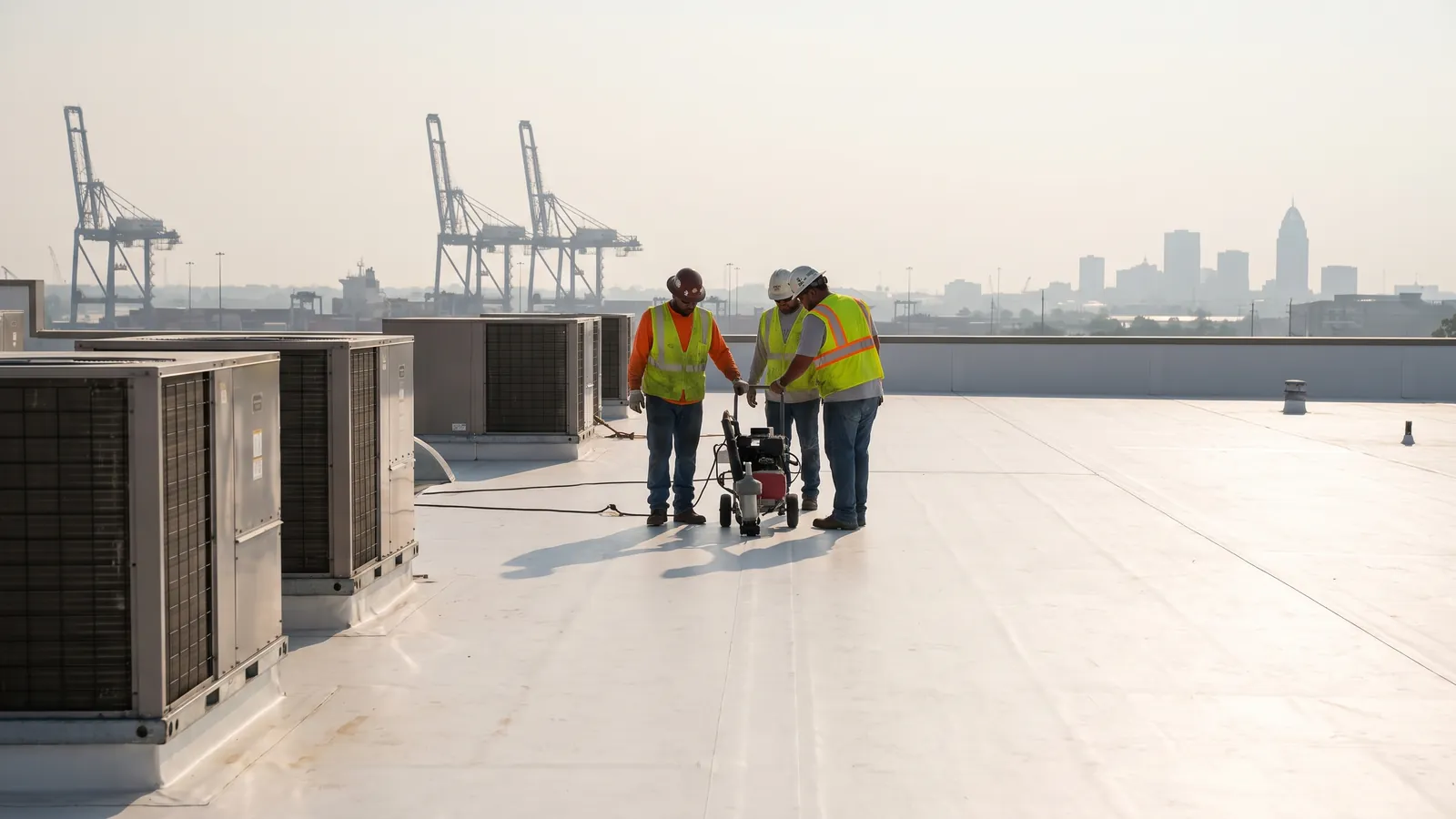
Most of Mobile's commercial roofs are low-slope: the strip centers along Airport Boulevard and Schillinger, the churches, the warehouses near the Port and the industrial corridors off I-65 and I-10, the apartment complexes in west Mobile and Tillmans Corner, the shops in Saraland and Daphne. On a low-slope roof the enemies are specific. Water that ponds because the drains are clogged with pine straw or the deck has sagged; membrane that reaches 150 degrees in the sun and ages at the seams; and wind that peels a roof from the edge, which is why the perimeter and corner zones carry two to three times the uplift of the field in the design standards. After Sally, the commercial roofs that failed in Mobile mostly failed at the edge metal and the corners.
We install thermoplastic (TPO) single-ply in 60- and 80-mil with heat-welded seams, fully adhered or mechanically fastened to the design pressures with reinforced perimeter and corner attachment, which is the right system for most shops, churches and apartments here: white, reflective, and the welded seams don't depend on adhesive that softens in August. Modified bitumen (two-ply, torch or self-adhered) for roofs with heavy foot traffic, lots of equipment or an owner who wants a system their maintenance crew can patch. Standing-seam and R-panel metal for warehouses, shops, canopies and anything with slope. And architectural shingles on the many small commercial buildings, offices and churches with pitched roofs, built the same way as our residential work. Every system gets proper edge metal to the ANSI/SPRI standard, tapered insulation or crickets where water stands, and drains and scuppers that are actually sized for a Mobile cloudburst.
Commercial customers also need two things residential ones don't. A maintenance plan, because a flat roof that's walked twice a year, with the drains cleared and the seams and penetrations checked, lasts a decade longer than one that's ignored until it leaks on inventory; we do spring and post-season inspections with photo reports for property managers. And storm response with a priority list, because a church with a Sunday service or a store with a freezer full of product can't wait until the residential queue clears. We keep tarps, membrane and crews for commercial emergencies through the season, and we document for the commercial claim the same way we do for a homeowner's.
What's included
TPO single-ply
60- and 80-mil, heat-welded seams, adhered or mechanically fastened to the design pressures with reinforced perimeters and corners.
Modified bitumen
Two-ply torch or self-adhered systems for high-traffic roofs and owners who want a patchable membrane.
Metal systems
Standing seam and R-panel for warehouses, shops and canopies, with coastal fasteners and formed flashing.
Edge metal and drainage
ANSI/SPRI-rated edge metal, tapered insulation and crickets, drains and scuppers sized for 66 inches of rain.
Maintenance plans
Spring and post-season walks, drains cleared, seams and penetrations checked, photo reports to the property manager.
Commercial storm response
Priority tarping and membrane repair for businesses, churches and apartments, documented for the claim.
Commercial roofing cost in Mobile, AL
| Job | Typical price | Notes |
|---|---|---|
| TPO 60-mil, mechanically fastened | $7 – $11 per sq ft | Over existing insulation, tear-off extra |
| TPO 80-mil, fully adhered | $9 – $14 per sq ft | Higher wind rating |
| Modified bitumen, two-ply | $8 – $13 per sq ft | Torch or self-adhered |
| Standing-seam metal, commercial | $12 – $20 per sq ft | Galvalume or Kynar |
| R-panel metal, warehouse or shop | $7 – $11 per sq ft | On purlins or deck |
| Tear-off and disposal, existing low-slope roof | $1.50 – $3.50 per sq ft | By layers and material |
| Flat roof leak repair | $400 – $2,000 | Seams, penetrations, drains |
| Annual maintenance plan | $0.08 – $0.15 per sq ft per year | Two inspections, drains, minor repairs |
These are 2026 Mobile-area ranges so you can budget. Your written price is itemized (tear-off, decking, underlayment, sealed deck, flashing, vents, disposal, permit) and good for 30 days.
Recent work
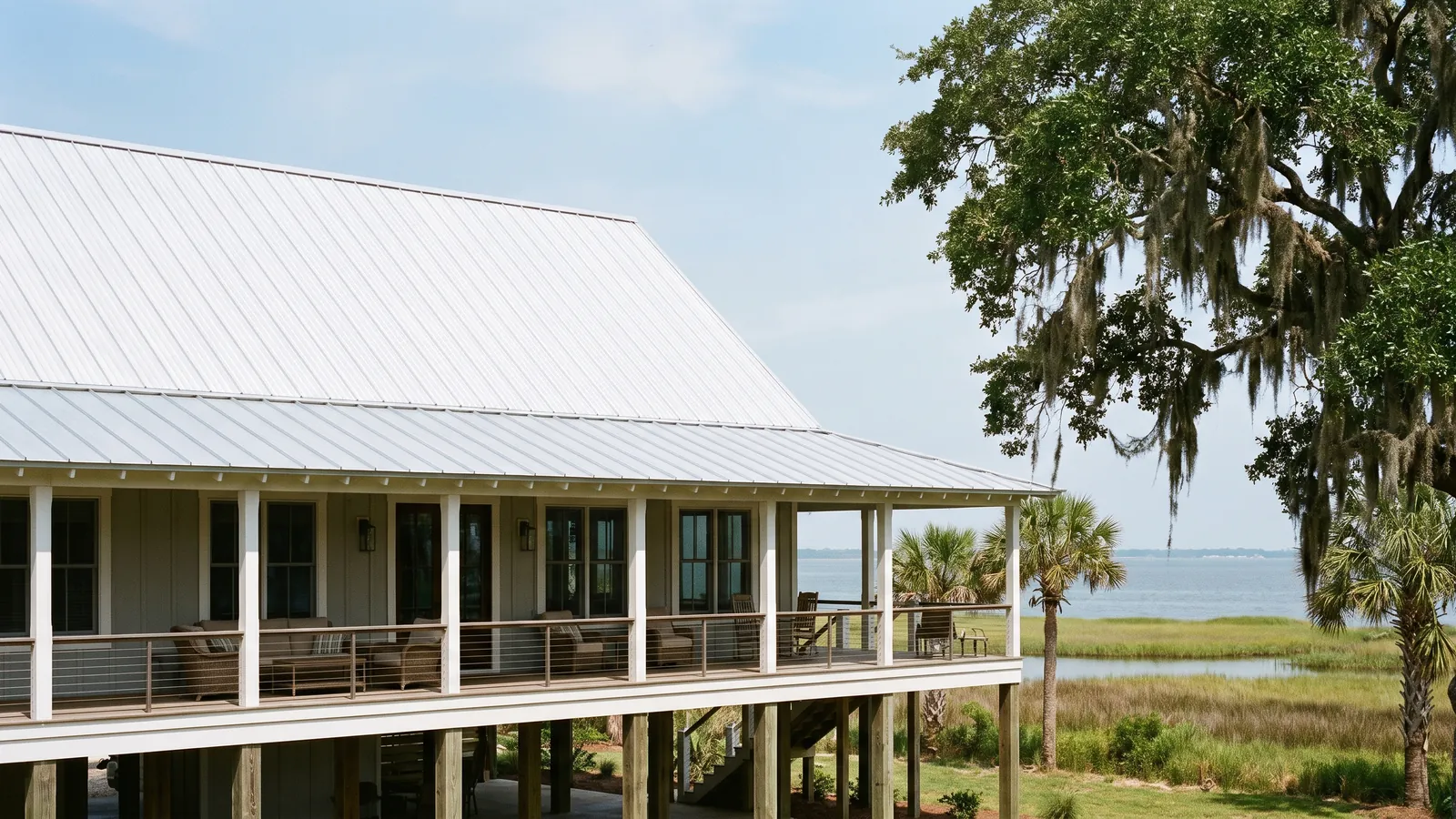
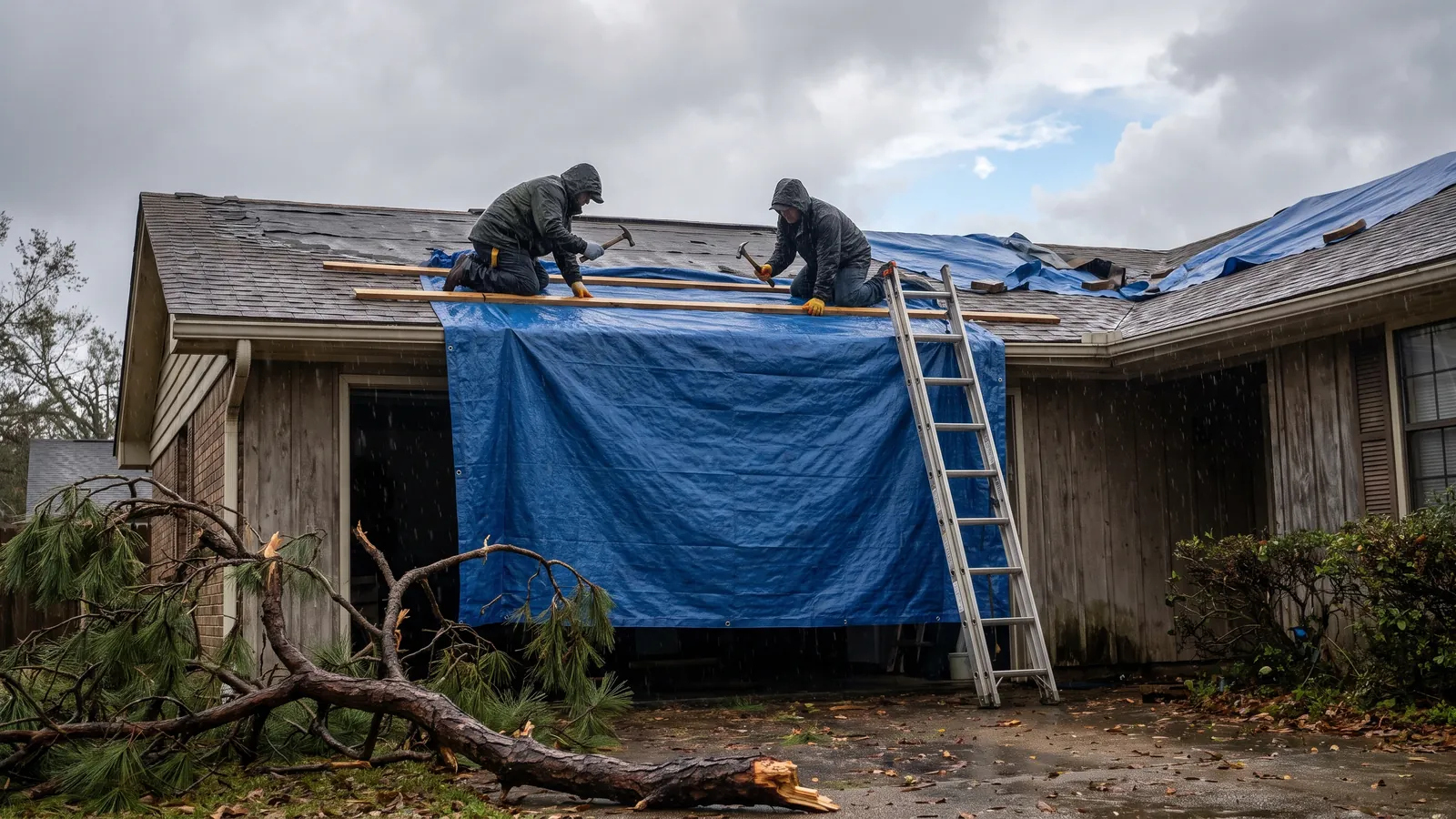
Questions we get about commercial roofing
What's the best flat roof system for Mobile?
For most buildings, fully adhered or well-fastened TPO with reinforced edges: welded seams, a white reflective surface for the heat, and a good wind record when the perimeter is done right. Modified bitumen where there's heavy traffic. Metal where there's slope.
Can you overlay a flat roof?
Sometimes, if the existing roof is dry (we core-cut and test), there's only one layer, and the deck is sound. Wet insulation under a new membrane is a roof you'll replace again in five years, so we test before we recommend it.
My roof ponds water. Is that a problem?
Yes. Standing water ages membrane, finds every seam, and is weight the structure wasn't designed to carry. The fix is tapered insulation, crickets around equipment, and drains that are cleared and sized correctly.
Do you work with property managers and HOAs?
Yes. Written proposals, insurance certificates, maintenance plans with photo reports, and one phone number for storm response across a portfolio of buildings.
Is commercial work licensed differently in Alabama?
Commercial roofing over $50,000 falls under the Alabama Licensing Board for General Contractors; residential roofing over $2,500 under the Home Builders Licensure Board. We hold the licensing and insurance the job requires and put the numbers on the proposal.
What about a church or a school with a pitched shingle roof?
Built like our residential roofs: tear-off, sealed deck, Class H shingles, ridge vent, and the permit. Many churches in Mobile qualify for the same storm documentation and claim support as a homeowner.